The visual identity of the company: content and objectives
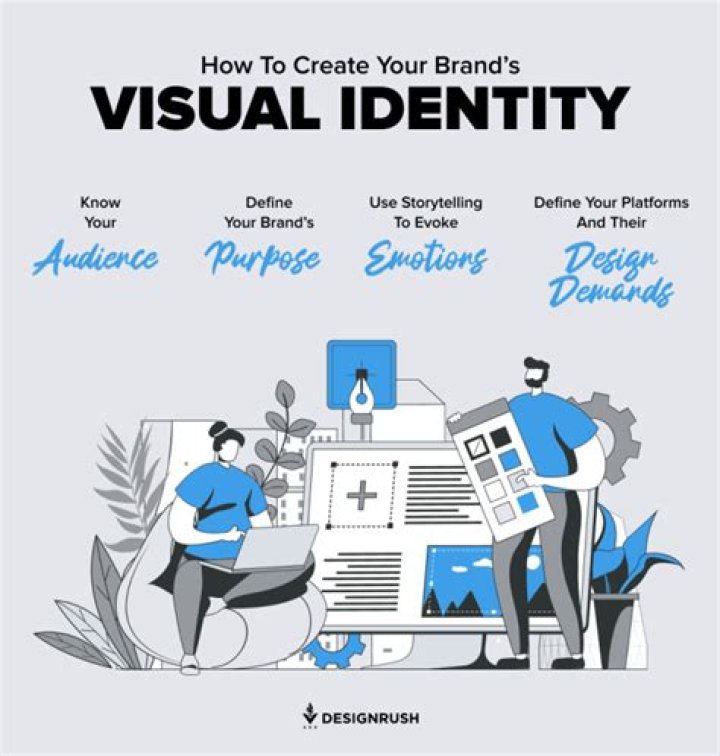
The visual identity of a company relates to all the graphic elements it uses. It is therefore a set of elements, visual and typographical, which represent the company on different communication media.
Note that 93% of consumers are sensitive to the visual identity of the product they buy, while only 1% trust the smell or sound, and 6% the texture. This shows the strategic importance of visual identity…
Note that the expenses relating to the visual identity of a company constitute an intangible asset and can therefore be amortized from an accounting point of view.
How to design the visual identity of a company?
Different elements come together to create a visual identity that is both aesthetic and adapted to the image that the company wishes to convey (values, activity, dynamism, etc.).
1) The logo: central element of the visual identity.
The logo can consist of images, with or without text. It must be designed to be available in various colors, sizes and formats, in order to adapt to different media, printed or digital by custom logo designer.
2) Typography: stay fluid.
Typography concerns the characters and dimensions of texts.
The lettered content of the visual identity has a major impact and certain typographical rules must be respected.
The different typographies used must be visually compatible, and in a limited number within the documents so as not to overload the content.
3) Colors: the art of persuasion.
Colors have a huge influence on the behavior of buyers. Colors should be chosen strategically, depending on the expectations and characteristics of your targets.
Note that 85% of consumers consider colors to be a decisive element in their purchases.
Color is also a fundamental element of brand recognition and loyalty.
Be careful, the colors do not have the same meaning depending on the country and culture. In the West, we can interpret colors as follows:
- The yellow reflects the optimism and dynamism of youth,
- The red translated the raw energy and urgency (sales, flash sales …), it accelerates the heart rate,
- The Blue creates a feeling of confidence and security, it is a color often used by banks, insurance companies or large companies,
- The green is the color of health, one of the most appreciated by the brain. Green is relaxing and reassuring.
4) The layout.
The arrangement of your texts and visuals will be decisive in making your content readable and above all pleasant to read.
5) The other elements of the visual identity.
Other elements of the visual identity include symbols, line styles, and geometric shapes. All these elements have to work together harmoniously to create a reassuring and impactful visual ambience at the same time, which is not so simple.
Thus composed, the visual identity of the company will be declined on various communication tools, among which:
- website,
- advertising media,
- product packaging,
- the posters,
- business cards,
- the flyers,
- banners,
- the decoration of the premises,
- the goodies,
- etc.
In order to facilitate the work of designers, the graphic guidelines are compiled in a single document: the graphic charter.
The graphic charter, the heart of the visual identity.
True precise and exhaustive specifications, the graphic charter allows creatives (designers, webmasters, photographers, graphic designers, illustrators, etc.) to create the various elements of the visual identity.
The graphic charter is a tool that makes it possible to guarantee a certain visual consistency, both aesthetic and strategic, and thus optimize the impact of your brand image.
What is the role of visual identity for a company?
Whatever your sector of activity, creating a strong visual identity will allow you to meet three main objectives:
1) Capture attention.
Some companies use an offbeat style to create emulation around their concept. Others choose sobriety with a more classic style while incorporating visual elements that make the difference (creation of unique typography for example).
2) Establish your notoriety and unite.
The visual identity of a company is a powerful vector of recognition. Certain brands are thus identifiable only by their logo (Nike, Coca-Cola, Facebook, Toyota, Renault, Chanel, etc.).
3) Make your business credible over the long term.
The care given to your brand image shows your long-term commitment to your customers, suppliers, partners, and subcontractors.
When designing the visual identity of your company, adopt a goal of sustainability. Changing the graphic elements linked to your brand image too often would risk destabilizing customers and damaging your reputation.
The whole difficulty is therefore to find an identity that can cross the years with freshness while retaining its initial positioning…